 Health and SafetyAsking kebab shops about food allergies: six questions that uncover hidden risks
Your guide to Turkish kebab and takeaway food
- Health and SafetyAsking kebab shops about food allergies: six questions that uncover hidden risks
 Takeaway TipsClear kebab smell from your home: four methods that tackle grease, smoke and spice
 Takeaway TipsSpotting quality in a kebab shop: 4 signs visible from the counter
 Health and SafetyStore your leftover kebab properly: 4 steps that keep meat, bread and sauce safe to eat
 Culture and TraditionOrdering kebabs in Turkish: 5 phrases that get you exactly what you want
 Ingredients and TypesMatching Cuts to Turkish Kebabs: 5 Styles and the Meat That Suits Them
 Takeaway TipsRescuing your oversalted kebab: four fixes that bring the flavour back into balance
 Takeaway TipsReheating Kebab Without Losing Texture: Three Methods That Work
 Health and SafetyFind your way through Turkish kebab and takeaway food
 Recipes and CookingKeep Your Kebabs Juicy: Four Fixes for Dry Meat
 Recipes and CookingTurkish Kebab and Takeaway Food
 Ingredients and TypesMatch your kebab with the right spices: 7 seasonings that define Turkish flavour
 Ingredients and TypesMatch your kebab with the right sauce: 6 traditional Turkish accompaniments and what they're meant for
 Ingredients and TypesUnderstanding Iskender kebab: 4 layers that turn döner into a plated meal
 Recipes and CookingBake Turkish bread at home: 6 techniques for soft flatbread with the right char
Recipes and Cooking
- Recipes and CookingKeep Your Kebabs Juicy: Four Fixes for Dry Meat
- Recipes and CookingTurkish Kebab and Takeaway Food
- Recipes and CookingBake Turkish bread at home: 6 techniques for soft flatbread with the right char
 Recipes and CookingWhat to serve with Turkish kebabs: 8 accompaniments that complete the meal
Ingredients and Types
- Ingredients and TypesMatching Cuts to Turkish Kebabs: 5 Styles and the Meat That Suits Them
- Ingredients and TypesMatch your kebab with the right spices: 7 seasonings that define Turkish flavour
- Ingredients and TypesMatch your kebab with the right sauce: 6 traditional Turkish accompaniments and what they're meant for
- Ingredients and TypesUnderstanding Iskender kebab: 4 layers that turn döner into a plated meal
Takeaway Tips
- Takeaway TipsClear kebab smell from your home: four methods that tackle grease, smoke and spice
- Takeaway TipsSpotting quality in a kebab shop: 4 signs visible from the counter
- Takeaway TipsRescuing your oversalted kebab: four fixes that bring the flavour back into balance
- Takeaway TipsReheating Kebab Without Losing Texture: Three Methods That Work
Health and Safety
Turkish kebab and takeaway food brings together grilled meats, fresh vegetables and flatbreads in combinations that have fed people for generations. For diners in the UK, these dishes offer quick, filling meals built on techniques that date back centuries. Read on to understand what sets each type apart, how the cooking methods shape the flavour, and what to look for when you order.
Understanding the core dishes
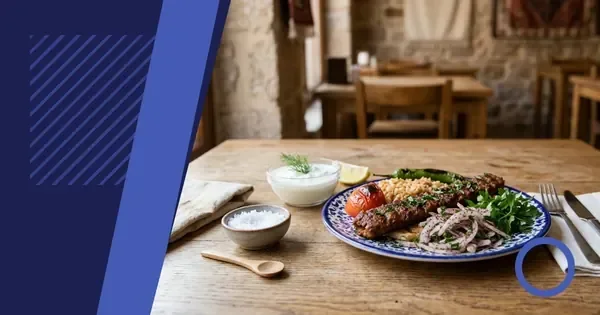
A kebab is meat cooked over heat—usually on a vertical spit, a skewer or a flat grill. The Turkish tradition centres on three main styles. The döner rotates on a vertical spit and is sliced as it cooks. The shish threads marinated meat onto skewers and grills it over charcoal. The adana takes minced lamb, shaped onto a wide skewer and grilled until the edges char.
Each method delivers a different texture. Döner meat stays tender from the slow rotation and constant basting. Shish pieces develop a smoky crust while staying juicy inside. Adana gets its kick from red pepper flakes and a firmer, more compact bite. Knowing which technique suits your preference helps you pick the right dish every time.
What goes into a typical wrap
Most takeaway kebabs arrive wrapped in thin flatbread—lavash or dürüm—with salad, onions and sauce. The bread holds everything together without competing with the meat. Lettuce, tomato and red cabbage add crunch. Sauces range from yoghurt-based to chilli or garlic blends, and the choice changes the whole balance.
A wrap built well stays intact until the last bite. Too much sauce and it falls apart. Not enough and the bread feels dry. Balance matters, and you can always ask for sauce on the side.
Choosing between meat and vegetarian options
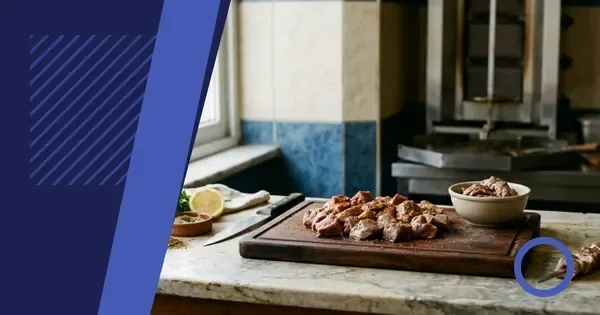
Lamb and chicken dominate Turkish kebab menus, each suited to different preparations. Lamb carries more fat, which keeps döner and adana moist through high-heat cooking. Chicken works best as shish, where marination and careful timing prevent it drying out. Both marry well with the same spices—cumin, paprika, black pepper, sumac.
Vegetarian plates lean on grilled vegetables and cheese. Halloumi holds its shape on the grill and offers a salty, squeaky texture. Peppers, aubergine and courgette char quickly and pair with the same sauces that accompany meat. Falafel—chickpea fritters fried until crisp—rounds out the selection and delivers protein without animal products.
How portion sizes compare
A wrap serves one and travels easily. A platter feeds one hungry diner or two lighter appetites, and it arrives with rice, salad and bread on the side. Mixed platters let you try several meats at once. Know your hunger level before ordering—kebab portions run large, and leftovers do not always reheat well.
Recognising freshness and quality
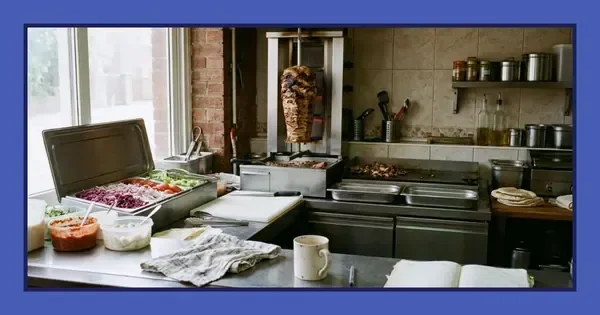
Fresh ingredients make the difference between a memorable meal and a mediocre one. Meat should glisten, not look dry or grey. Salad should be crisp, with no wilted leaves or browning edges. Bread baked on the day stays soft and pliable; stale flatbread cracks when folded.
Watch how the döner spit looks. A well-tended spit rotates evenly, with meat shaved from an outer layer that stays moist underneath. If the surface looks scorched or the rotation has stopped, the meat may have been sitting too long. Trust your eyes and your nose—good kebab smells of charcoal, spices and rendered fat, not staleness.
What to ask about preparation
Most takeaways cook to order, but timings vary. Shish and adana take longer because they grill from raw. Döner is sliced from meat already cooked, so it arrives faster. If you want less salt, more spice or no onions, say so when you order. Kitchens that cook fresh can adjust; those reheating pre-made dishes cannot.
Handling common ordering mistakes
Ordering too much is the most frequent error. A large wrap and a side will often overwhelm one person. Start smaller and add if needed. Choosing the wrong heat level comes next—mild sauces suit most palates, but if you ask for extra chilli without knowing the kitchen's scale, you may find the dish inedible.
Mixing incompatible items also causes disappointment. Yoghurt-based sauces and tomato-based ones do not always sit well together on one plate. Stick to a theme: creamy or tangy, not both. And do not assume every takeaway uses the same recipes—one shop's "hot" may be another's "medium".
| Mistake | Why it happens | How to avoid it |
|---|---|---|
| Over-ordering | Portion sizes not clear from the menu | Ask about serving sizes before committing |
| Wrong spice level | Heat scales vary between kitchens | Start mild and request extra sauce separately |
| Clashing flavours | Combining sauces without tasting first | Choose one sauce family per dish |
| Cold food on delivery | Long transit or poor packaging | Collect in person when possible, or reheat immediately |
Exploring sides and accompaniments
Rice cooked with butter and sometimes vermicelli appears alongside most platters. It soaks up juices and balances the richness of grilled meat. Bulgur wheat—cracked and steamed—offers a nuttier, lighter alternative. Both are neutral carriers for stronger flavours.
Salads range from simple chopped tomato and cucumber to more elaborate combinations with pomegranate, parsley and lemon. Shepherd's salad—finely diced vegetables dressed with olive oil and lemon—refreshes the palate between bites of fatty meat. Pickles and fermented vegetables add acidity and cut through richness.
When to add extra bread
Flatbread mops up sauce, wraps bites of meat and salad, and fills gaps when the main dish runs short. Order extra if you are sharing a platter or if you know you enjoy bread with every mouthful. Toasted pide—a thicker, fluffier option—works as a base for meat and cheese rather than a wrapper.
Making your choice work for your appetite
Start by deciding how hungry you are and whether you want to eat immediately or save half for later. Wraps travel better than platters and hold their shape longer. Platters give you variety but require a plate and cutlery. If you are new to Turkish takeaway, order a mixed platter for two and sample several meats at once.
Consider the time of day. A light lunch calls for a small wrap or a soup. A filling dinner suits a full platter with sides. Late-night orders often favour speed—döner wraps arrive fastest. Match the meal to the moment, and you will leave satisfied rather than over-stuffed or still hungry.
- Check the menu for portion descriptions and ask if the sizes are unclear.
- Pick your protein—lamb for richness, chicken for a lighter feel, vegetarian for plant-based options.
- Choose your format—wrap for portability, platter for variety, bowl for a low-carb approach.
- Select one sauce to start; request others on the side if you want to experiment.
- Add one side if you are very hungry or sharing; skip sides if the main dish is large.
- Confirm any dietary needs—less salt, no onions, gluten-free bread—when you place the order.
Where to go next with Turkish food
Once you are comfortable with the core kebab styles, branch out into meze—small dishes served cold or warm before the main course. Hummus, baba ghanoush, stuffed vine leaves and fried cheese all appear on Turkish menus and introduce new textures. Lahmacun—a thin, crispy base topped with spiced mince—bridges the gap between pizza and flatbread.
Soups such as lentil or yoghurt-based offerings provide warmth and comfort, especially in colder months. Desserts lean heavily on syrup, nuts and pastry—baklava being the most recognised. Exploring beyond kebabs reveals the breadth of Turkish cooking and gives you more options for different occasions and appetites.
Frequently asked questions
How do you tell if döner meat is freshly cooked or reheated from yesterday?
Fresh döner rotates on a vertical spit with a moist, glistening outer layer that is sliced to order. Reheated meat looks dry, may sit in a tray under a heat lamp, and lacks the charred edges that come from live grilling.
What is the difference between a dürüm and a standard wrap when ordering takeaway?
A dürüm uses thin lavash bread rolled tightly around the filling, creating a compact, portable wrap. A standard wrap may use thicker flatbread or pita, which holds more filling but can be harder to eat on the move.
Can you order a mixed kebab platter if you want to try several meats without committing to one?
Yes, most takeaways offer mixed platters that combine döner, shish and adana on one plate with rice, salad and bread. This lets you sample different cooking methods and flavours in a single order.
How do you reheat leftover kebab without making the meat tough or the bread soggy?
Reheat the meat separately in a hot pan or under a grill to restore some crispness, and warm the bread briefly in a dry pan. Keep sauces and salad apart until you are ready to eat, as they do not reheat well.
What should you ask for if you want less grease but still want the full flavour of a döner kebab?
Request meat sliced from the leaner inner layers of the spit, ask for less sauce, and choose salad over fried sides. Some kitchens will trim visible fat on request, though this may reduce the richness that makes döner distinctive.
Is there a vegetarian option that matches the texture and heartiness of a meat kebab when you order Turkish takeaway?
Grilled halloumi comes closest, with a firm, chewy texture and a salty flavour that stands up to the same sauces and sides. Falafel offers protein and a crisp exterior, though the inside is softer than grilled meat.