Match your kebab with the right sauce: 6 traditional Turkish accompaniments and what they're meant for
 Save
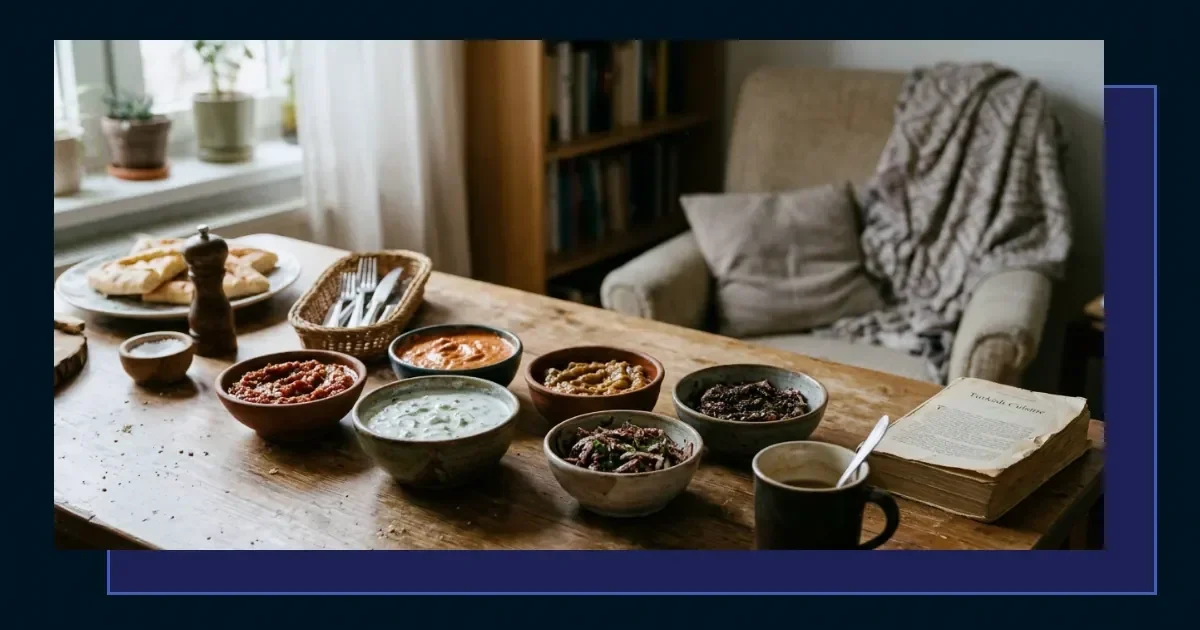
Turkish kebab comes with a small but deliberate set of sauces, each designed to complement specific meats and cooking methods. The yogurt-based sauce you find with grilled lamb at a Turkish table differs from the garlic mayonnaise served at UK takeaways, and recognising the difference helps you choose what actually suits the food. This guide walks you through authentic Turkish accompaniments, UK shop adaptations and which sauce belongs with which kebab.
Start with yogurt sauce for grilled meat
Plain yogurt thinned with a little water is the foundation sauce for shish and Adana kebab across Turkey. It cools the spices without masking the charred flavour of the meat. The yogurt is often unsweetened, slightly salty and served at room temperature alongside the skewer or flatbread wrap.
Cacık takes that base further by folding in grated cucumber, crushed garlic and a drizzle of olive oil. You eat it as a dip with pide or spoon it over rice to cut through the richness of lamb. Some cooks add dried mint; others leave it plain. The texture stays loose enough to pour, not thick like Greek tzatziki.
If you're assembling a meal at home, yogurt sauce works best when the meat has a strong spice rub or when the bread is plain and needs moisture. Efes Kebab covers the broader context of Turkish kebab food and what defines each style.
Recognise the sharp heat of red pepper paste
Biber salçası — Turkish red pepper paste — sits on the table at most kebab meals, either as a small bowl for dipping or mixed into butter and brushed over grilled meat. The paste is made from sun-dried peppers ground with salt, and its flavour ranges from sweet and smoky to fiercely hot depending on the variety used. Urfa biber brings a wine-dark colour and moderate warmth; pul biber (Aleppo-style flakes) adds brightness without overwhelming the meat.
You spread a thin layer on the edge of your flatbread or stir a spoonful into yogurt to make a two-tone sauce. It's traditional with köfte and works particularly well with fattier cuts where acidity is needed. The paste keeps for months in the fridge once opened, so a jar serves many meals.
Mix it with olive oil for a finishing drizzle
Combining the paste with olive oil and a pinch of salt creates a pourable chilli oil that you spoon over rice or drizzle across a plated kebab just before serving. This preparation is common with Iskender kebab, where the oil mingles with melted butter and tomato sauce to form a rich, layered finish.
Understand takeaway garlic sauce and where it fits
The creamy white garlic sauce served at UK kebab shops is not a Turkish tradition. It evolved in European takeaways as a cooling, familiar accompaniment for döner served in a wrap or box. The base is usually mayonnaise thinned with yogurt or buttermilk, blended with crushed garlic and sometimes lemon juice.
It works because döner meat can be salty and the flatbread dry, and the sauce adds moisture and a mild sharpness that suits late-night eating. Some shops add herbs or a dash of vinegar; others keep it plain. If you're making it at home, equal parts mayonnaise and Greek yogurt with two crushed garlic cloves and a squeeze of lemon gives you the right consistency.
You won't find this sauce in Turkey, but it has become part of the UK takeaway experience. Pairing it with shish or Adana can overwhelm the spices, so save it for döner or chicken kebab where the flavours are milder.
Know when to use chilli sauce and which kind
UK kebab shops typically offer a bottled hot chilli sauce — often a generic brand with vinegar, chillies and stabilisers. It adds heat but little else. In Turkish cooking, chilli comes from fresh peppers grilled alongside the meat or from the red pepper paste already described.
If you want authentic heat, look for acı biber salçası (hot pepper paste) or buy fresh green chillies to char on a griddle and serve whole. The smokiness from charring changes the flavour entirely, turning raw heat into something that complements rather than competes with the meat.
Bottled sauce has its place when you want quick, sharp heat without preparation, but it's worth trying the charred-pepper approach at least once to see the difference. For more on traditional accompaniments, see what to serve with Turkish kebabs.
Pair sauces with specific kebab styles
Each kebab benefits from a different accompaniment based on how the meat is cooked and spiced. Matching them correctly keeps the meal balanced without one element overpowering another.
| Kebab style | Best sauce | Why it works |
|---|---|---|
| Shish (lamb or chicken) | Plain yogurt or cacık | Cools marinade spices, adds moisture |
| Adana | Yogurt with red pepper paste swirl | Balances the heat and fat from minced lamb |
| Döner | Garlic mayo or mild chilli | Adds richness to sliced meat in a wrap |
| Iskender | Melted butter with tomato sauce | Traditional plated dish; yogurt sits underneath |
These pairings reflect what you'll find in Turkish restaurants and what makes sense given the texture and seasoning of each kebab. You can adjust to taste, but starting here gives you a meal that feels intentional rather than random.
Spot the difference between authentic and adapted versions
Authentic Turkish sauces rely on yogurt, olive oil, butter and pepper paste. UK takeaway sauces lean on mayonnaise, bottled chilli and commercial garlic blends. Neither is wrong, but knowing which tradition you're following helps you set expectations and buy the right ingredients.
If you're cooking Turkish-style at home, stock full-fat yogurt, good olive oil, red pepper paste and fresh garlic. If you're recreating the takeaway experience, mayonnaise and a jar of minced garlic will get you there faster. Mixing the two styles on one plate can muddle the flavours, so decide which direction you're heading before you start.
Check labels when buying pepper paste
Turkish shops and some supermarkets sell biber salçası in jars or tubes. Look for a short ingredient list: peppers, salt, sometimes sunflower oil. Avoid versions with added sugar, tomato or thickeners unless you're using them for a different purpose. The paste should be dark red or burgundy and thick enough to hold its shape on a spoon.
Build your own sauce selection at home
Creating a small set of kebab sauces takes less than half an hour and improves every meal where grilled meat is involved. Follow these steps to prepare three core options that cover most needs.
- Whisk full-fat yogurt with a tablespoon of cold water until it pours easily, then season with salt and set aside in a small bowl.
- Grate half a cucumber, squeeze out the excess liquid and fold it into a second bowl of yogurt with one crushed garlic clove and a drizzle of olive oil.
- Stir a teaspoon of red pepper paste into two tablespoons of olive oil, adding a pinch of salt and mixing until the oil turns a deep orange-red.
- Taste each sauce and adjust salt or garlic as needed, remembering they'll sit alongside heavily seasoned meat.
- Serve all three in separate bowls so each person can choose their own combination.
These sauces keep in the fridge for two days, though the cucumber in the cacık will release water over time. Make them fresh when possible, or prepare the yogurt base in advance and add cucumber and garlic just before serving.
Avoid common mistakes when saucing kebab
Pouring sauce directly onto hot meat before it reaches the table dilutes the char and makes the bread soggy. Serve sauces on the side and let each person add their own. This keeps the grilled crust intact and means leftovers reheat better.
Using low-fat yogurt results in a thin, sour sauce that separates when it warms. Full-fat yogurt stays creamy and holds emulsified garlic or oil without splitting. Similarly, adding lemon juice to yogurt too early can cause it to curdle, so stir it in just before serving if you want extra sharpness.
Overloading a wrap with multiple sauces turns the meal into a wet mess. Choose one main sauce — garlic mayo for döner, yogurt for shish — and add a small amount of chilli if you want heat. The bread should still have some structure when you pick it up.
Download PDF: Turkish Kebab Sauce Pairing Checklist PDF, 28 KB
Further reading
Frequently asked questions
What is the white sauce on kebabs made from in UK takeaways?
UK kebab shop white sauce is typically a mix of mayonnaise, yogurt or buttermilk, crushed garlic and lemon juice. It's a European takeaway creation rather than a traditional Turkish accompaniment, designed to add moisture and mild flavour to döner wraps.
Do Turkish people use mayonnaise-based garlic sauce with kebabs?
No. Traditional Turkish kebab meals rely on plain yogurt, cacık, red pepper paste and olive oil. Mayonnaise-based garlic sauce developed in European takeaways and is not part of Turkish food culture.
What is biber salçası and how do you eat it with kebab?
Biber salçası is Turkish red pepper paste made from sun-dried peppers and salt. You spread a thin layer on flatbread, stir it into yogurt or mix it with olive oil to drizzle over grilled meat. It adds smoky heat without covering the flavour of the kebab.