Spotting quality in a kebab shop: 4 signs visible from the counter
 Save
A good kebab shop shows its standards before you order. The meat glistens on the spit, the counter stays clean between customers, and the staff handle food with care. This guide walks you through what to look for when choosing where to eat, from the Efes Kebab fundamentals of freshness to the small details that separate careful preparation from shortcuts.
Watch how the döner spit looks and moves
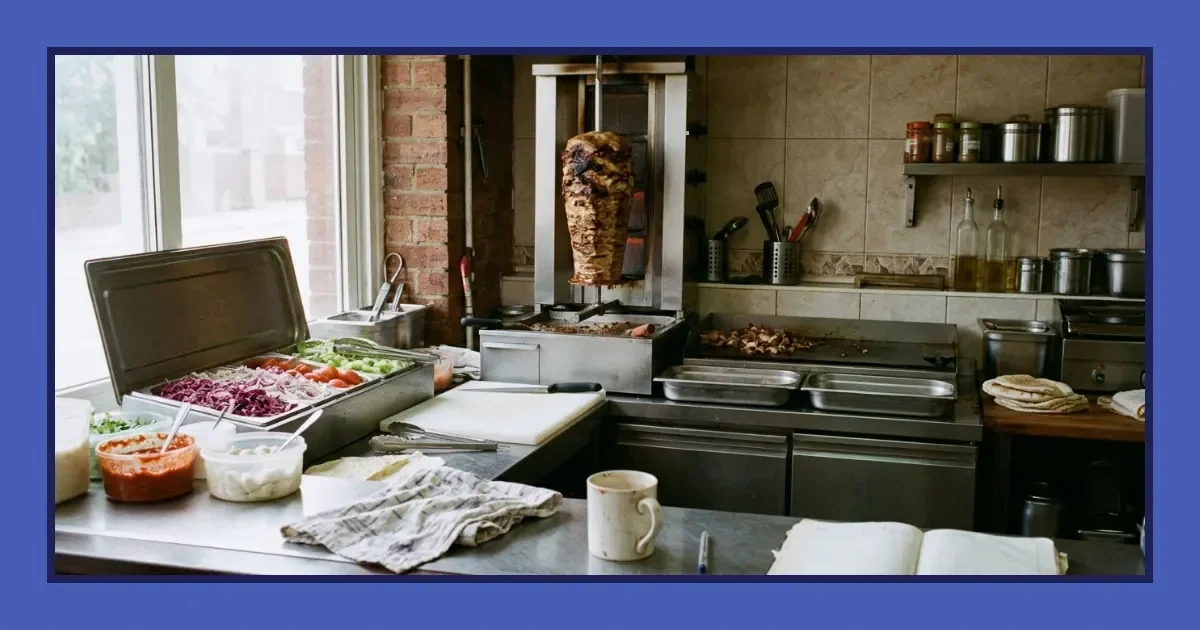
The döner spit tells you everything about turnover and care. Fresh meat has a slight sheen, not a dry crust. The outer layer should look recently shaved, with clean cuts rather than ragged edges. A spit that turns steadily under even heat cooks the meat through without charring the surface.
Observe the thickness of the stack. A tall, well-packed spit suggests the shop prepares large batches and expects to serve them quickly. Meat that sits too long develops a leathery texture. The colour should be consistent from top to bottom, without dark, oxidised patches that signal yesterday's leftovers.
Check the drip tray beneath the spit
The tray under the döner catches fat and juices as the meat cooks. A clean tray, emptied regularly, shows the shop maintains its equipment between rushes. Overflowing or blackened trays suggest infrequent cleaning and a lackadaisical approach to the basics.
Look at the prep area and how staff work
Stand at the counter and watch the staff assemble orders. Do they wipe down surfaces after handling raw ingredients? Are chopping boards designated for meat separate from those used for salad? Cross-contamination is invisible to the diner, but attentive shops make their routines visible.
Gloves are common, but hand-washing matters more. A member of staff who handles money, then returns to food prep without washing, undermines every other precaution. The best shops install separate tills or assign roles so one person never does both.
Notice what happens to leftover ingredients
Salad bowls and sauce containers sit at room temperature throughout service. A shop that covers them between orders or rotates them into refrigeration takes spoilage seriously. Wilted lettuce and browning tomatoes are easy to spot; they also reveal how long ingredients have been exposed.
Assess the bread and how it arrives at your table
Bread defines the meal. Fresh pide should feel soft when pressed, with a slight spring. The crust gives under your thumb without cracking. If the shop bakes on site, you will smell it. Pre-packaged bread, while convenient, lacks the texture and flavour of dough proved and baked that morning.
Watch how the bread is warmed. A quick pass over the grill or a few seconds in a press heats it through and adds a subtle char. Bread microwaved to save time turns rubbery. If your wrap tears as it is folded, the bread was either stale or reheated carelessly.
Judge the shop by its quieter dishes
A kebab shop's skill shows in the dishes customers overlook. Order a portion of cacik or a bowl of lentil soup. The yogurt should taste clean and slightly sour, without a watery separation that suggests it has been thinned. Soup made from scratch has body and a distinct spice profile; reheated soup from a catering tin tastes flat.
Lahmacun reveals how the shop handles dough and minced meat. The base should be thin and crisp at the edges, with a topping that balances meat, tomato and spice. Excess grease pooling on the surface points to poor-quality mince or careless seasoning. Understanding what lahmacun is and how to eat it helps you recognise when it has been prepared with attention.
Trust your senses before you order
Step inside and breathe. A good kebab shop smells of charcoal, roasting meat and warm bread. Overpowering air freshener or the sour tang of bins left too long are warnings. Your eyes and nose together build a picture more reliable than any review.
- Scan the counter and floor for food debris, sticky surfaces or overflowing bins that suggest the last rush has not been cleared.
- Check the meat temperature by observing steam when the knife shaves the spit; cold or room-temperature meat is unsafe.
- Ask about the marinades and spices the shop uses; confident answers and visible jars signal preparation from scratch rather than pre-mixed suppliers.
- Order a simple shish or kofte first to test the fundamentals before committing to a more elaborate meal.
If the shop welcomes questions and the staff explain their methods without impatience, you have found a kitchen that takes pride in its work. Transparency is the clearest indicator of quality.
Compare what different shops prioritise
| Focus | What it looks like | What it tells you |
|---|---|---|
| Speed | Pre-sliced meat, minimal garnish, assembly-line service | High turnover but less attention to individual orders |
| Authenticity | Charcoal grill, bread baked on site, regional specialities on the menu | Commitment to traditional methods and flavour |
| Hygiene | Visible cleaning routines, covered ingredients, separate prep zones | Food safety taken seriously at every stage |
| Value | Large portions, lower prices, fewer menu options | Volume over variety, often with trade-offs in ingredient quality |
No single focus makes a shop good or bad. The best balance speed with care, and value with flavour. Your own priorities determine which shop suits you.
Recognise when customisation is welcome
A confident kitchen adjusts orders without fuss. Ask for extra salad, no onions or sauce on the side; the response tells you whether the shop sees each customer as an individual or an interruption. Flexibility costs nothing when the ingredients are fresh and the workflow is sound.
Store leftovers properly when you get home
Even the finest kebab loses its appeal if stored carelessly. Separate the components as soon as you arrive home: meat in one container, salad in another, bread wrapped loosely to prevent condensation. Refrigerate everything within two hours of purchase. Learning how to store leftover kebab safely preserves both flavour and safety.
Reheat meat gently in a pan or oven rather than a microwave, which toughens the texture. The bread benefits from a brief warming but never regains the softness of the first serving. Sauces can be stored for a day or two in sealed containers; discard any that have been left at room temperature overnight.
Build a relationship with a shop you trust
Regularity brings rewards. The staff remember your preferences, the kitchen takes extra care with familiar faces, and you notice when standards slip. A good kebab shop becomes a reliable part of your routine, not an occasional gamble.
When something disappoints, mention it calmly. Shops that value their reputation listen and adjust. Those that dismiss concerns or make excuses reveal how they handle problems when you are not watching. Vote with your custom; quality shops survive because diners like you return.
#Döner kebab #Takeaway #Food safety
Download PDF: Assessing a kebab shop before you order PDF, 29 KB
Further reading
Frequently asked questions
How can you tell if kebab meat is fresh before ordering?
Fresh kebab meat has a slight sheen and consistent colour without dry, dark patches. The spit should turn steadily under even heat, with clean cuts where the knife has shaved the outer layer. Observe whether steam rises when the meat is sliced, which indicates proper cooking temperature.
What are the signs of good hygiene in a Turkish kebab takeaway?
Watch for staff wiping surfaces between orders, separate chopping boards for meat and vegetables, and covered salad bowls during quiet periods. Clean drip trays under the döner spit and hand-washing after handling money also show the shop takes food safety seriously.
Which dishes reveal the quality of a kebab shop beyond döner?
Order cacik, lentil soup or lahmacun to judge a shop's fundamentals. These dishes require fresh ingredients and careful preparation. Watery yogurt, flat-tasting soup or greasy lahmacun expose shortcuts that affect everything the kitchen produces.