What to serve with Turkish kebabs: 8 accompaniments that complete the meal
 Save
Turkish kebabs shine when paired with the right sides, sauces and salads. In Turkey, kebabs are rarely served alone: they come with fresh vegetables, yogurt-based sauces, pickles and warm bread that balance the richness of grilled meat. Efes Kebab brings together the sides that work best with different kebab styles, so you can build a meal that feels complete whether you're cooking at home or choosing from a takeaway menu.
Start with fresh salad and pickles
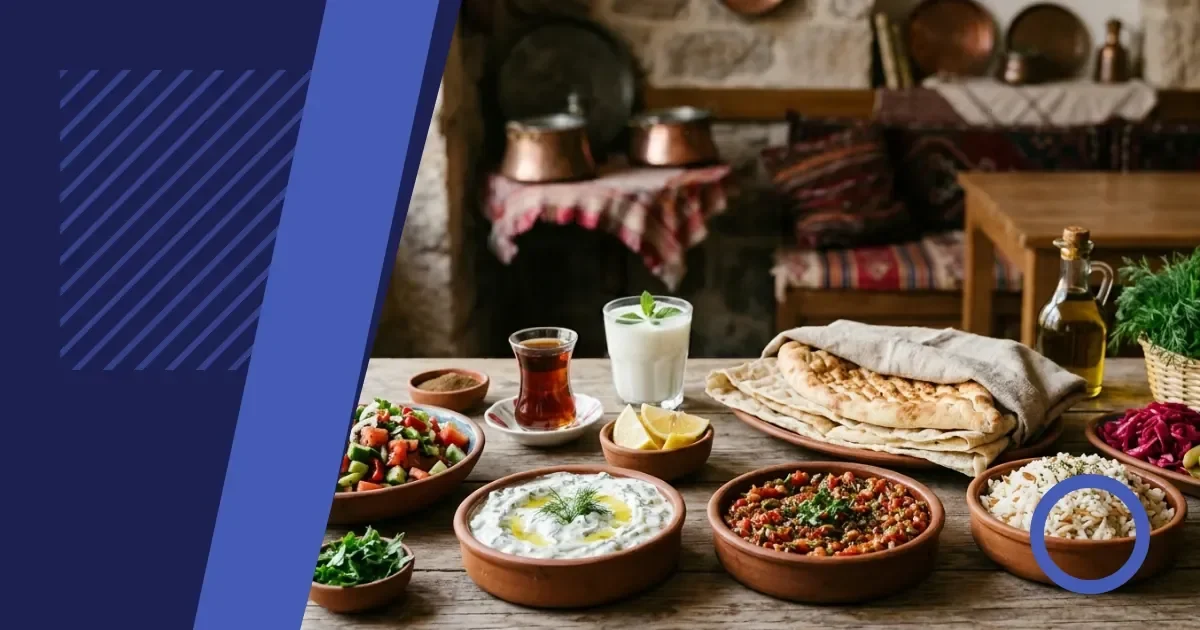
A simple salad of chopped tomatoes, cucumber and red onion appears on nearly every Turkish kebab plate. Dress it lightly with olive oil, lemon juice and a pinch of salt just before serving, so the vegetables stay crisp. The acidity cuts through the fat in lamb or chicken, and the crunch contrasts with tender grilled meat.
Pickled vegetables add another layer. Pickled green chillies, gherkins and red cabbage are common in Turkish restaurants, offering sharp, vinegary bites between mouthfuls of kebab. You can buy them ready-made or pickle thinly sliced vegetables in white vinegar, salt and a little sugar for a few days.
Choose the right flatbread
Pide bread is the traditional choice. This soft, slightly chewy flatbread is baked in a wood-fired oven and torn by hand to scoop up meat, yogurt and salad. If you cannot find pide, a warm Turkish flatbread or even a good-quality pitta works well. Avoid letting the bread sit too long after warming, as it dries out quickly.
For Adana kebab, wrap the spiced minced meat in a piece of flatbread with a spoonful of yogurt and a pinch of sumac. For döner, layer the sliced meat, salad and sauce inside the bread and fold it tightly.
Pair kebabs with yogurt-based sauces
Plain yogurt tempers the heat of spiced kebabs and adds a cool, creamy element. Serve it as it is, or mix in crushed garlic and a drizzle of olive oil for a simple garlic yogurt sauce. This works particularly well with lamb shish or köfte.
Cacık, a thinner version of tzatziki, combines yogurt with grated cucumber, garlic, dried mint and a splash of cold water. It is lighter than Greek yogurt dips and pairs well with grilled chicken or vegetables. Chill it for at least half an hour before serving, so the flavours settle.
Add heat with chilli sauce or Urfa biber
Turkish chilli sauce is thinner and sharper than thick European hot sauces. It is made from red chillies, salt, vinegar and sometimes a little tomato paste. A small spoonful lifts the flavour of döner or lahmacun without overwhelming the other ingredients.
Urfa biber, a dried chilli flake with a smoky, raisin-like sweetness, is sprinkled over grilled meat or mixed into yogurt. It adds warmth rather than fierce heat, and its dark colour stands out on a white plate. A pinch is usually enough.
Serve rice or bulgur on the side
Plain rice pilaf, cooked with a little butter and orzo pasta, is a common accompaniment to shish kebabs. The rice absorbs any juices from the meat and offers a neutral base for richer flavours. Keep it simple: overcomplicated pilaf with dried fruit or nuts does not suit the clean flavours of grilled kebab.
Bulgur wheat, cracked and steamed, is another option. It has a nuttier texture than rice and holds up well next to spiced minced meat. Toss cooked bulgur with a little olive oil, finely chopped parsley and a squeeze of lemon for a quick side that stays light.
Include grilled vegetables for balance
Whole green peppers, tomatoes and sometimes onions are grilled alongside kebabs in Turkish restaurants. The vegetables char slightly, their skins blister, and their sweetness concentrates. Serve them whole or chopped, seasoned with salt and a drizzle of olive oil.
If you are grilling at home, thread cherry tomatoes, chunks of courgette and pieces of red pepper onto skewers and cook them over the same heat as the meat. They pick up smoke from the grill and need no more than a pinch of salt.
Finish with a squeeze of lemon and fresh herbs
Lemon wedges are not decorative. Squeeze the juice over grilled meat just before eating to brighten the flavour and cut through any oiliness. Fresh parsley, roughly chopped, is scattered over kebabs, rice and salad. It is used generously in Turkish cooking, not as a garnish but as an ingredient.
Sumac, a dark red spice with a lemony tang, is another finishing touch. Sprinkle it over onions, yogurt or grilled meat for a sour note that balances richness.
Build your own kebab plate at home
You do not need every side to make a satisfying meal. Choose two or three that suit the type of kebab you are serving and the time you have. Here is a straightforward way to put a plate together.
- Warm the bread in a dry pan or under the grill for a minute on each side, then wrap it in a clean tea towel to keep it soft.
- Prepare the salad by chopping tomatoes, cucumber and onion into small, even pieces, then dress with olive oil, lemon juice and salt.
- Set out the sauces in small bowls: plain yogurt, garlic yogurt or cacık, and a spoonful of chilli sauce for those who want heat.
- Arrange the kebab on a warm plate with the salad, a portion of rice or bulgur, grilled vegetables and a lemon wedge on the side.
- Scatter fresh parsley and a pinch of sumac over the top, and serve everything while the bread and meat are still warm.
If you are ordering from a takeaway, check what comes with the kebab and ask for extra sides if you want more variety. Most places will add a portion of salad, rice or extra bread for a small charge. For ideas on preparing kebab meat yourself, making döner kebab meat at home without a spit is covered elsewhere on the site.
| Kebab type | Best accompaniments | Why they work |
|---|---|---|
| Döner | Flatbread, fresh salad, chilli sauce | Wraps well; the salad adds crunch; sauce cuts richness |
| Shish | Rice pilaf, grilled vegetables, lemon | Rice absorbs juices; vegetables balance the char; lemon lifts flavour |
| Adana | Yogurt, Urfa biber, pickles | Yogurt cools the spice; pickles refresh; biber adds warmth |
| Köfte | Cacık, bulgur, fresh herbs | Cacık lightens fried meat; bulgur is sturdy; herbs bring brightness |
This page is for general information only. Efes Kebab does not sell goods or services directly.
#Döner kebab #Shish kebab #Adana kebab #Yogurt sauce
Download PDF: Accompaniments for Turkish kebabs: what to prepare PDF, 28 KB
Further reading
Frequently asked questions
What salad goes best with Turkish kebabs when you want something traditional?
Chopped tomatoes, cucumber and red onion dressed with olive oil, lemon juice and salt. It is simple, crisp and appears on nearly every Turkish kebab plate.
Can you serve Turkish kebabs without bread if you prefer not to have it?
Yes. Serve the kebab with rice or bulgur, salad, yogurt and grilled vegetables instead. The meal stays balanced without the bread.
What is the difference between yogurt sauce and cacık when choosing a side?
Plain yogurt or garlic yogurt is thick and cooling. Cacık is thinner, mixed with grated cucumber, garlic and mint, and chilled before serving. Cacık is lighter and works well with grilled chicken or vegetables.