Find your way through Turkish kebab and takeaway food
 Save
Turkish kebab and takeaway food covers a family of grilled, spiced and marinated meats served with flatbread, salads and sauces. The tools that already exist—marinade techniques, proper storage and simple reheating methods—make it easy to enjoy kebabs at home or from a takeaway without guessing what works. Few people use them consistently. You will understand how Turkish kebab is prepared, what to look for when ordering, and how to store and reheat what you bring home so it tastes the way it should. Efes Kebab walks you through the choices and methods that matter.
Get to know the main kebab styles you'll see
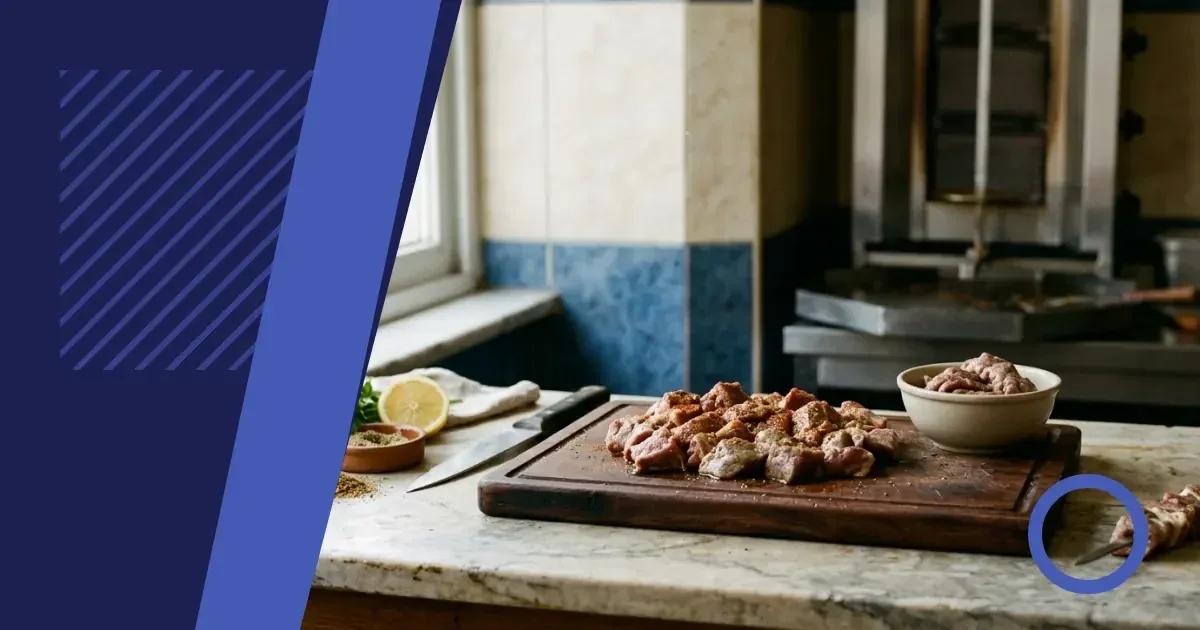
Döner kebab is thin slices of meat stacked on a vertical spit, roasted as it turns, then shaved off and served in flatbread or on a plate. Shish kebab is cubed meat threaded onto skewers and grilled over charcoal. Adana kebab uses minced lamb mixed with tail fat and chilli, shaped onto wide flat skewers and cooked over high heat until the edges char.
Each style produces different textures and flavours. Döner is tender and layered with spice, shish has a firmer bite with charred edges, and Adana is soft inside with a spicy crust. Knowing the difference helps you order what suits your appetite.
Understand what Iskender brings to the table
Iskender kebab takes döner meat and arranges it over torn pide bread, then pours melted butter and tomato sauce over the top. A dollop of yogurt sits on the side. The bread soaks up the butter and sauce, the yogurt cools the richness, and the meat stays warm in the middle. It turns takeaway döner into a plated meal with a different balance of flavour.
Choose your accompaniments with purpose
Turkish kebabs are served with rice, bulgur pilaf, fresh salad and flatbread. The bread mops up juices, the pilaf adds texture without competing with the meat, and the salad—tomato, cucumber, onion and parsley—cuts through fat and spice. Sauces matter as much as the meat itself.
Yogurt sauce, often called cacık when thinned with water and mixed with garlic and cucumber, cools heat and balances salt. Chilli sauce adds sharpness; garlic sauce brings richness. Each one changes how the meat tastes, so order more than one if you want to adjust as you eat.
Work out what lahmacun adds to an order
Lahmacun is a thin dough base spread with minced lamb, tomato, pepper and parsley, then baked until crisp at the edges. You roll it around fresh herbs and lemon juice. It is lighter than bread-wrapped kebab and works as a starter or a side, not a main on its own unless you order several.
Store your takeaway the moment you're home
Cooked kebab meat, bread and salad go into separate containers as soon as you finish eating. Meat and bread left together overnight turn soggy; salad wilts and leaks water. Meat keeps in the fridge for up to two days in a sealed container. Bread dries out faster, so wrap it tightly or freeze it if you won't eat it the next day.
Sauces stay fresh for three to four days in small jars or tubs with lids. Label them if you have several open at once. Rice and bulgur keep for two days; reheat them with a splash of water to stop them going hard.
Reheat kebab meat without turning it dry
Dry kebab meat loses flavour and texture. Reheating it properly takes deliberate steps, each one adding back moisture or protecting what is already there.
- Wrap the meat loosely in foil with a spoonful of water or leftover sauce inside.
- Place the foil parcel in a preheated oven at a moderate temperature for a short time, just until the meat warms through.
- Open the foil carefully—steam escapes fast—and serve immediately.
A microwave works if you cover the plate with a damp cloth or another plate to trap steam. Heat in short bursts, checking between each one. Meat reheated on a dry plate turns leathery within seconds.
Recognise the spices that define Turkish kebab flavour
Cumin, paprika, black pepper and sumac appear in most marinades. Cumin adds earthiness, paprika brings colour and mild sweetness, black pepper sharpens the edge, and sumac contributes a lemony tartness. Urfa biber, a dried chilli with a smoky undertone, shows up in Adana and other minced-meat kebabs.
Fresh parsley, oregano and thyme are often rubbed into the meat before grilling. Garlic and onion juice tenderise and add moisture. The combination depends on the cut and the region, but the core spices stay consistent across most kebab houses.
Match spice to the meat you're cooking
Lamb takes stronger spices—cumin, Urfa biber, coriander seed—because its flavour holds up. Chicken needs lighter seasoning; too much cumin or chilli overwhelms it. Paprika, garlic and lemon juice work better. Beef sits between the two: it handles bold spice but does not need as much as lamb to taste balanced.
Prepare flatbread at home when takeaway bread disappoints
Turkish flatbread, whether pide or a simpler oval loaf, relies on a soft dough stretched thin and cooked fast in high heat. The outside chars in spots, the inside stays soft, and the bread puffs slightly as steam builds. A hot oven or a cast-iron pan on the hob replicates the effect without specialist equipment.
Mix flour, warm water, yeast, salt and a small pour of olive oil into a dough. Let it rise until it doubles, then divide it into portions. Roll each one out, not too thin, and cook on a preheated surface until bubbles form and the underside browns. Brush with melted butter while the bread is still hot.
Spot the difference between shish and döner before you order
Shish kebab is cooked to order. You see the skewers go onto the grill, and the meat comes off charred and juicy a few minutes later. Döner is cooked throughout the day on a rotating spit; slices are shaved as orders come in. Shish has more char and a firmer bite. Döner is softer, with spice and fat running through every layer.
Shish works better if you want meat on its own or with a simple salad. Döner suits a wrap or a rice plate where the meat mixes with other ingredients. Neither is better; they serve different purposes.
| Style | Cooking method | Texture | Best served |
|---|---|---|---|
| Döner | Vertical spit, continuous roasting | Soft, layered | Wrap, rice plate, Iskender |
| Shish | Skewers over charcoal | Firm, charred edges | On its own, with salad and bread |
| Adana | Wide skewer, high heat | Soft inside, crisp crust | Flatbread, bulgur pilaf |
Serve Turkish kebabs with sides that balance richness
A kebab plate needs something sharp, something cooling and something to soak up the fat. Pickled vegetables—cabbage, turnip, chilli—cut through richness. A tomato and onion salad dressed with lemon juice and olive oil does the same job. Yogurt, whether plain or mixed with cucumber and mint, cools spice and adds a creamy contrast.
Bulgur pilaf or rice goes on the side, not under the meat, so the grains stay separate and do not turn greasy. Flatbread wraps around the meat or mops up sauce from the plate. Each element has a role; none of them is decoration.
Make yogurt sauce for kebabs in minutes
Thick Greek-style yogurt is the base. Crush garlic cloves with salt until they turn to paste, then stir the paste into the yogurt. Add finely chopped cucumber if you want texture, or leave it plain if you prefer a smooth sauce. A squeeze of lemon juice sharpens the flavour, and a pinch of dried mint or fresh dill lifts it.
The sauce thickens as it sits in the fridge. Thin it with a spoonful of cold water if it becomes too stiff to drizzle. It keeps for three days in a sealed jar.
Understand what makes Adana kebab different from other minced kebabs
Adana kebab uses lamb mince mixed with lamb tail fat, which melts as the meat cooks and keeps it moist. The mince is kneaded with salt, Urfa biber and sometimes garlic until it turns sticky, then shaped onto wide, flat skewers. The skewers are grilled over high heat until the outside chars and the fat drips onto the coals, creating smoke that flavours the meat.
Other minced kebabs use leaner cuts or add breadcrumbs to bind the mixture. Adana skips both. The fat does the work, and the texture stays soft without turning dense. The chilli heat is higher than in most other kebabs, so order cautiously if you are not used to it.
#Döner kebab #Shish kebab #Marinades
Download PDF: Your Turkish kebab and takeaway checklist PDF, 29 KB
Further reading
Frequently asked questions
Can you freeze cooked kebab meat and reheat it later?
Yes. Wrap the cooled meat tightly in cling film or foil, then place it in a freezer bag. It keeps for up to a month. Defrost it overnight in the fridge, then reheat it in foil with a splash of water to restore moisture.
What are the traditional sauces that come with a Turkish kebab?
Yogurt sauce, chilli sauce and garlic sauce are the most common. Yogurt cools spice, chilli adds heat, and garlic brings richness. Some places also serve tomato and pepper sauce, especially with Iskender kebab.
How do you stop kebab meat from drying out when you cook it at home?
Marinate the meat in yogurt, olive oil and spices for several hours before cooking. Do not overcook it—remove it from the heat while it is still slightly pink inside. Let it rest for a few minutes before slicing so the juices settle.
What spices go into Turkish kebab seasoning?
Cumin, paprika, black pepper, sumac and Urfa biber are the core spices. Fresh parsley, oregano and garlic are often added. The exact mix depends on the region and the type of meat.
Can you make proper döner kebab meat at home without a spit?
Yes. Layer thin slices of marinated meat in a loaf tin, press them down firmly, then roast the block in the oven. Slice it thinly once it is cooked. The texture will not be identical to spit-roasted döner, but the flavour is close.
What should you serve alongside Turkish kebabs to make a complete meal?
Serve flatbread, rice or bulgur pilaf, a fresh tomato and onion salad, pickled vegetables and yogurt sauce. Each component balances the richness of the meat and adds a different texture or flavour.