Reheating Kebab Without Losing Texture: Three Methods That Work
 Save
Cold kebab loses its appeal quickly: the bread turns chewy, the meat dries out, and the salad wilts. The right reheating method brings back warmth and texture without turning everything into a soggy mess. Below you will find three approaches that work for döner, shish and layered kebabs, plus what to do with the parts that don't reheat well. Efes Kebab breaks down what happens to each component and how to handle it.
Why the Microwave Falls Short
Microwaves heat unevenly and release steam that gets trapped inside the kebab. Bread absorbs that moisture and turns rubbery. Meat heats through but loses its surface texture. The result tastes warm but feels wrong.
The methods below use dry heat instead. They take a few minutes longer but restore the contrast between crisp edges and tender centres that makes a kebab worth eating.
Separate the Components Before You Start
Take the kebab apart while it is still cold. Remove salad, sauce and any yogurt-based toppings and set them aside—they will go back on at the end. What remains is bread and meat, and those are what you reheat.
Salad reheated turns brown and limp. Yogurt splits when heated. Fresh components added after reheating keep the meal bright and stop the reheated parts from feeling heavy.
Oven Method: Best for Whole Portions
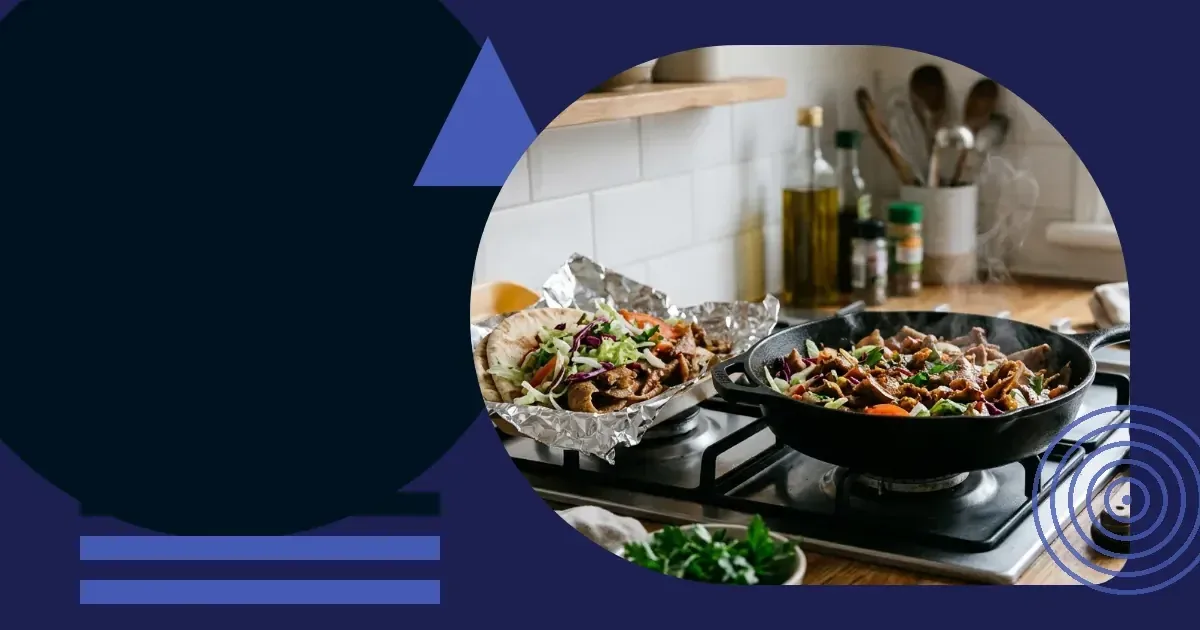
Preheat your oven to 180°C. Wrap the meat loosely in foil to hold in moisture, and place the bread directly on the oven rack or a baking tray without wrapping.
Heat for eight to ten minutes. The foil lets the meat warm through without drying out. The bread, exposed to the oven's heat, crisps up at the edges while staying soft inside. Check the meat is hot all the way through before you take it out.
This method works well when you are reheating a large doner wrap or a plated iskender portion. The oven's even heat reaches everything at once, and you don't need to watch it constantly.
What to Do With Pide and Flatbreads
Thin flatbreads crisp quickly in the oven. If the bread feels dry before you start, brush it lightly with water on both sides. The moisture turns to steam in the oven and softens the bread from the inside while the surface stays firm.
Pan Method: Fast and Controlled
Heat a non-stick pan over medium heat. No oil is needed if the meat still carries fat from the original cooking. Place the meat in the pan and turn it every minute or so until it is heated through.
Toast the bread separately in the same pan once the meat is done. Press it flat with a spatula to get even contact with the heat. The bread picks up a light char and warms in under a minute.
The pan gives you control: you see and smell when the meat is ready, and you can stop before it toughens. This method suits smaller portions and works when you want to eat straight away without waiting for an oven to preheat.
Handling Shish Kebab on Skewers
Shish meat reheats unevenly on the skewer. Slide the pieces off before reheating so they all touch the pan. Once warm, you can put them back on the skewer if you want the original presentation.
Air Fryer Method: Crisp Results in Minutes
Set the air fryer to 180°C. Place the meat in the basket in a single layer, and the bread beside it or on a rack above.
Heat for four to six minutes, shaking the basket halfway through. The circulating air crisps the meat's edges and toasts the bread without drying either one out. Check the meat is hot in the centre before serving.
Air fryers work quickly and use less energy than a full oven. They suit small portions and give results close to fresh grilling. If the bread starts to brown too fast, take it out early and leave the meat for another minute.
Restoring Moisture to Dry Meat
Meat that dried out in the fridge needs help before it goes into the oven or pan. Brush it lightly with olive oil or a spoonful of the original sauce. The fat coats the surface and stops further moisture loss during reheating.
Alternatively, wrap the meat in foil with a tablespoon of water before putting it in the oven. The steam inside the foil softens the meat as it heats. Unwrap it for the last two minutes to let the surface firm up again.
When to Add Sauce Back
Yogurt-based sauces such as cacik split when reheated. Chilli and garlic sauces lose their brightness. Add all sauces after reheating, not before.
If the kebab originally came with a sauce mixed into the meat, that sauce is already cooked in and will reheat with it. Fresh sauce on the side stays fresh by going on at the end.
Comparison of Reheating Methods
| Method | Time Needed | Best For | Texture Result |
|---|---|---|---|
| Oven | Ten to twelve minutes | Large portions, whole wraps | Even heat, crisp bread |
| Pan | Five to seven minutes | Small portions, quick meals | Controlled char, tender meat |
| Air fryer | Four to six minutes | Single servings, energy saving | Crisp edges, fast results |
What Not to Reheat
Salad leaves, tomatoes and onions turn watery and brown when heated. Pickled vegetables lose their crunch. Keep these cold and add them fresh after the meat and bread are warm.
If the original kebab came with chips, reheat them separately in the oven or air fryer at a higher temperature for a shorter time. Chips need more heat than meat to crisp up again.
Storage Before Reheating
Refrigerate leftover kebab within two hours of getting it home. Wrap meat and bread separately in foil or place them in covered containers. Stored this way, they keep for up to two days.
Meat left at room temperature for longer than two hours should not be reheated. If you are unsure how long it has been out, it is safer to discard it. For more on recognising when kebab meat has gone off, see how to tell if kebab meat has gone off.
Steps for Reheating Takeaway Kebab
- Take the kebab apart and remove salad, sauce and yogurt-based toppings.
- Choose your method—oven for large portions, pan for speed, air fryer for crispness.
- Heat the meat wrapped in foil or in direct contact with the pan, checking it is hot all the way through.
- Toast the bread separately, adding a light brush of water if it feels dry.
- Reassemble the kebab with fresh salad and cold sauce once the meat and bread are warm.
Adjusting Heat for Different Meats
Lamb döner reheats well at moderate temperatures because the fat keeps it moist. Chicken dries out faster and benefits from being wrapped in foil or brushed with oil before reheating.
Kofte and Adana kebab, which are minced and spiced, hold their texture better than thinly sliced döner. They can take slightly higher heat without toughening. For more on what makes Adana kebab different, see the full breakdown of its preparation and spicing.
Reheating Iskender and Layered Dishes
Iskender kebab arrives as döner meat over pide bread, topped with tomato sauce and melted butter. Reheating it requires care: the bread soaks up the sauce and turns soft.
Reheat the meat and bread separately, then reassemble on the plate. Warm the sauce gently in a small pan rather than pouring it cold over hot meat. Fresh yogurt goes on at the end. This keeps the layers distinct and stops the bread from dissolving into mush.
Avoiding Common Mistakes
Reheating at too high a temperature chars the edges before the centre warms through. Keep the heat moderate and give the meat time to warm evenly.
Leaving the salad on during reheating steams everything underneath it and makes the bread soggy. Always take the cold components off first.
Reheating more than once dries out the meat beyond recovery. Portion what you will eat and leave the rest in the fridge for the next meal.
Download PDF: Reheating Takeaway Kebab: Quick Checklist PDF, 27 KB
Frequently asked questions
Can I reheat kebab in the microwave without it going soggy?
Microwaves trap steam, which makes bread rubbery and meat lose its texture. Oven, pan or air fryer methods use dry heat and give better results.
How do I stop kebab meat from drying out when I reheat it?
Brush the meat lightly with olive oil or wrap it in foil with a tablespoon of water before reheating. The moisture helps keep it tender.
Should I add the salad and sauce before or after reheating?
Always add fresh salad and cold sauce after reheating. Heating them turns salad brown and limp, and yogurt-based sauces split.