Understanding Turkish kebab: the cooking methods and flavours that define each style
 Save
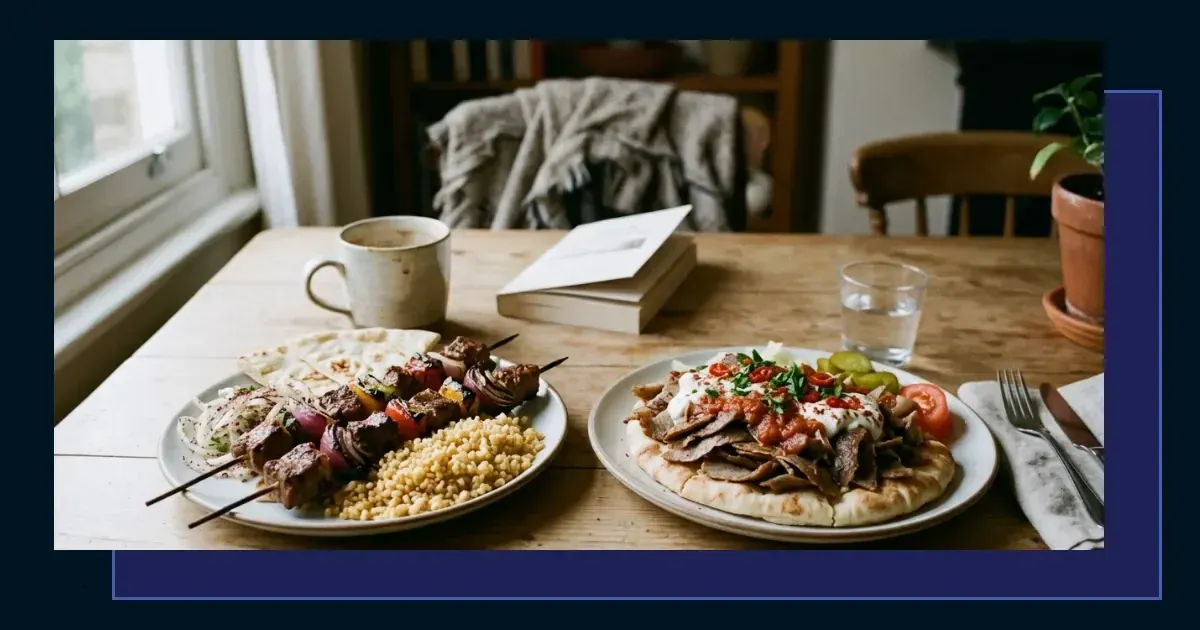
Shish kebab is grilled on skewers over direct heat, using marinated cubes of meat or vegetables, while döner kebab is slow-cooked on a vertical rotisserie, shaved thin and served in wraps or on plates. The cooking method shapes everything else: texture, seasoning, portion size and what you eat alongside. You will find Efes Kebab covers both traditions, along with other regional styles that deserve attention.
Recognising the cooking method that defines each kebab
The word kebab refers to grilled or roasted meat, but the technique varies widely. Shish kebab threads marinated meat onto metal or wooden skewers and cooks it over charcoal or an open flame. The high heat sears the outside while keeping the centre tender. Döner, by contrast, stacks seasoned meat on a tall vertical spit that rotates slowly beside a heat source, allowing the outer layer to crisp before it is shaved off with a long knife.
Each method suits different cuts. Shish works best with cubes from the leg or shoulder, firm enough to hold their shape on a skewer. Döner uses thinner slices or minced meat pressed into shape, which crisps as it turns. The result is two distinct textures: charred edges and a springy bite for shish, fine ribbons with a mix of crisp and tender for döner.
Choosing the meat and marinade for shish kebab
Lamb remains the traditional choice for shish, though chicken thighs and chunks of beef work equally well. The marinade usually combines yogurt, lemon juice, olive oil and ground spices—cumin, paprika, black pepper—and sometimes a pinch of Urfa biber for warmth without fierce heat. The yogurt tenderises the meat and helps the spices cling.
Marinate the cubes for at least two hours, or overnight if time allows. Thread them onto skewers with space between each piece so the heat reaches every surface. Peppers, onions and tomatoes often share the skewer, though some cooks prefer to grill vegetables separately to control the timing.
Understanding how döner kebab is layered and cooked
Döner meat begins as marinated slices of lamb, beef or chicken, stacked by hand on the spit in overlapping layers. Some versions include minced meat mixed with breadcrumbs and spices, pressed into a cone shape. The spit rotates beside a vertical grill—gas or electric in most takeaway kitchens—and as the outer surface browns, thin shavings are sliced off with a broad knife held parallel to the meat.
The rotation keeps the meat moist inside while the exposed edge crisps. Each serving combines soft and crispy shavings, and the cook adjusts the knife angle to control the thickness. What lands on your plate or in your wrap has been cooking for hours, with fresh layers exposed as the spit turns.
Recognising regional variations in döner preparation
In some regions, döner includes only whole-muscle meat; in others, a mix of sliced and minced meat is standard. The seasoning varies too: cumin and black pepper in one kitchen, oregano and garlic in another. Both are correct—döner is a method, not a fixed recipe.
Comparing what you receive with each order
| Style | Cooking method | Typical serving | Texture |
|---|---|---|---|
| Shish kebab | Skewered, grilled over flame | On the skewer or on rice with salad | Charred outside, tender cubes |
| Döner kebab | Vertical spit, shaved thin | In flatbread or on a plate with chips | Mix of crisp and soft ribbons |
Selecting the bread and accompaniments that suit each style
Shish kebab arrives on a plate with rice, bulgur or flatbread on the side, accompanied by grilled tomatoes, onions and a small portion of salad. The bread—often pide or lavash—is torn and used to wrap bites of meat and vegetables. A dollop of yogurt or a spoonful of cacik cools the palate between mouthfuls.
Döner is most often served in a wrap: the shaved meat folded into soft flatbread with shredded lettuce, tomato, onion and a choice of sauces. Garlic, chilli and yogurt-based sauces are standard. When served as a portion on a plate, döner comes with chips, rice or bulgur, and the same salad elements. The bread soaks up the juices; the chips add bulk.
Pairing sauces with the right kebab
Yogurt-based sauces work with both styles, but the balance shifts. Shish pairs well with a plain yogurt or cacik—cooling, subtle—that does not mask the marinade. Döner takes bolder sauces: garlic mayonnaise, chilli paste, even a drizzle of pomegranate molasses in some kitchens. The bread and salad in a döner wrap benefit from a sauce with punch.
Preparing shish kebab at home without specialist equipment
- Cut the meat into even cubes, roughly the size of a walnut, so they cook at the same rate.
- Mix yogurt, lemon juice, olive oil and your chosen spices in a bowl, add the meat and turn to coat, then cover and refrigerate for at least two hours.
- Thread the meat onto metal skewers, leaving a small gap between each piece, and grill over high heat—a barbecue, a griddle pan or an oven grill—turning every few minutes until charred outside and cooked through.
- Rest the skewers for a minute before serving with warm flatbread, grilled vegetables and a bowl of yogurt on the side.
Recognising other Turkish kebab styles worth trying
Adana kebab is minced lamb or beef mixed with tail fat, red pepper flakes and salt, shaped onto wide flat skewers and grilled until the edges blacken. The fat keeps the meat moist, and the result is richer and spicier than cubed shish. What makes Adana kebab different from other Turkish kebabs explains the technique and seasoning in detail.
Iskender kebab layers döner shavings over torn pide bread, covers them with tomato sauce and melted butter, and serves the plate with yogurt on the side. It is a sit-down dish, rarely offered as takeaway, and it demonstrates how döner meat can be dressed for a more formal meal.
Lahmacun—a thin flatbread topped with minced meat, tomatoes, onions and herbs—is baked rather than grilled, but it shares the same spice palette and is often eaten alongside kebabs. Turkish Kebab and Takeaway Food covers how to order and eat it.
Storing and reheating leftover kebab safely
Refrigerate leftover kebab within two hours of cooking. Shish keeps for up to three days in a sealed container; reheat it gently in a covered pan with a splash of water to prevent drying. Döner also lasts three days, and it reheats well in a hot pan—the thin shavings crisp up again quickly. Do not reheat either style more than once.
Freeze cooked kebab in portions if you will not eat it within three days. Wrap each portion tightly in foil or freezer bags, label with the date, and use within three months. Thaw overnight in the fridge before reheating.
Choosing between shish and döner at the counter
Pick shish when you want a lighter meal with distinct pieces of meat and the charred flavour of the grill. It pairs well with rice and salad, and it travels better if you are taking it home—cubes hold their shape and do not make the bread soggy. Choose döner for a quick wrap you can eat on the move, or when you want a richer, more heavily seasoned taste with contrasting textures. The crispy edges of döner and the way the sauces soak into the flatbread make it a different experience.
Both are correct choices; the best one depends on whether you are sitting down or eating on the go, whether you prefer bold or balanced flavours, and what you plan to eat alongside. What to serve with Turkish kebabs: 8 accompaniments that complete the meal offers suggestions that work with either style.
#Döner kebab #Shish kebab #Grilling #Marinades
Download PDF: Choosing and enjoying Turkish kebab PDF, 28 KB
Further reading
Frequently asked questions
What is the main difference between shish and döner kebab in how they are cooked?
Shish kebab is cooked on skewers over direct flame or charcoal, while döner kebab is slow-cooked on a vertical rotisserie and shaved thin as the outer layer crisps. The cooking method produces different textures and serving styles.
Can you make döner kebab at home if you do not have a vertical spit?
You can approximate the flavour by marinating thin slices of meat, layering them in a loaf tin, roasting slowly in the oven, then slicing thinly and crisping the slices in a hot pan. The texture will differ from true döner, but the seasoning and serving style remain the same.
Which kebab style is better for a takeaway wrap when you are eating on the move?
Döner is the more practical choice for a wrap eaten on the move. The thin shavings fold neatly into flatbread, and the sauces bind everything together. Shish cubes can fall out of a wrap more easily, though they work well when served on a plate.